
What Happened in the I-15 Utah County Crash on September 19, 2026?
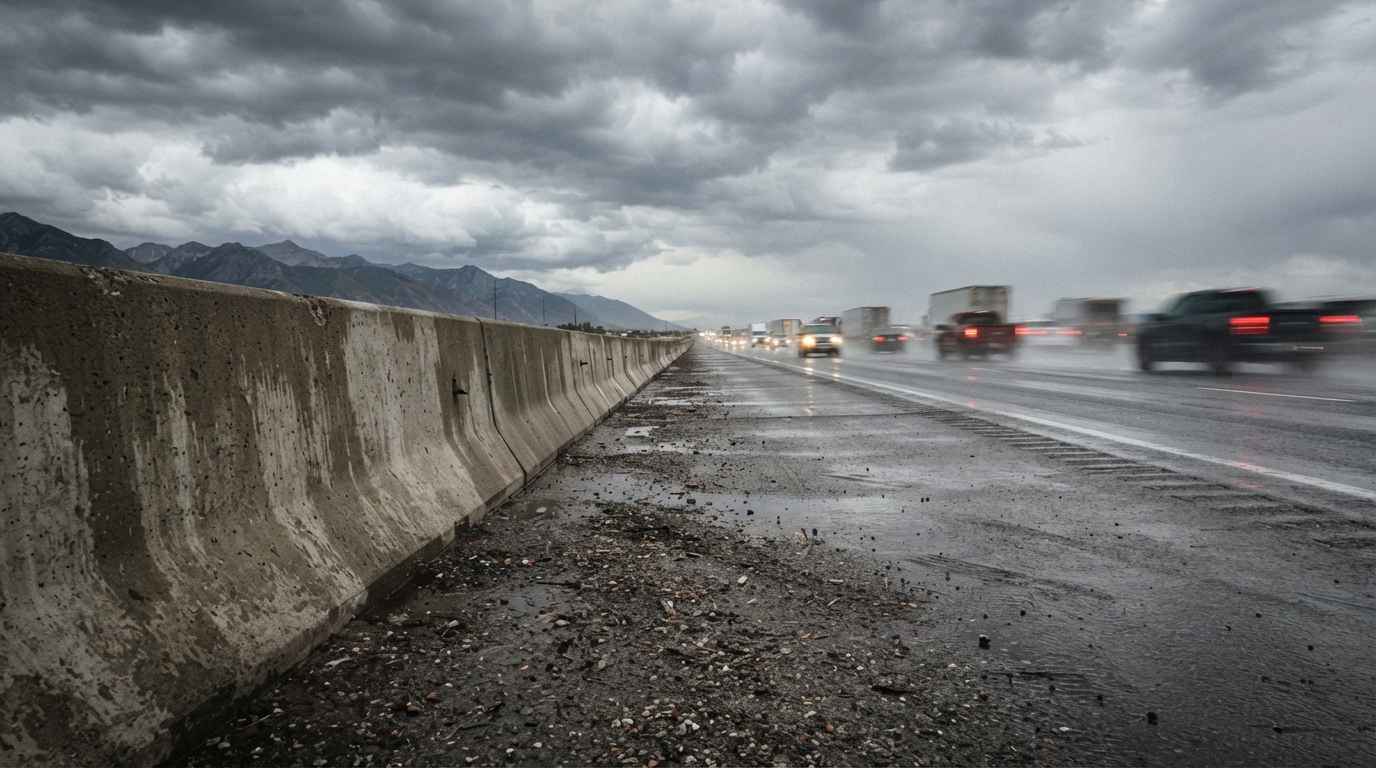
On Saturday, September 19, 2026, the Utah Department of Transportation reported a traffic incident on northbound I-15 in Utah County. The incident occurred south of Pleasant Grove Boulevard and blocked the right shoulder of the roadway. UDOT labeled the event severity as minor and indicated there was no full highway closure.
The preliminary report did not state a cause for the collision, and direction of travel for the involved vehicles was recorded as unknown. Highway collision logs often reflect only early observations rather than a detailed investigation. Because preliminary notices provide limited details, drivers involved in collisions along this corridor should secure the formal police report once investigators complete it.
How Does Utah Comparative Fault Work After an Accident?
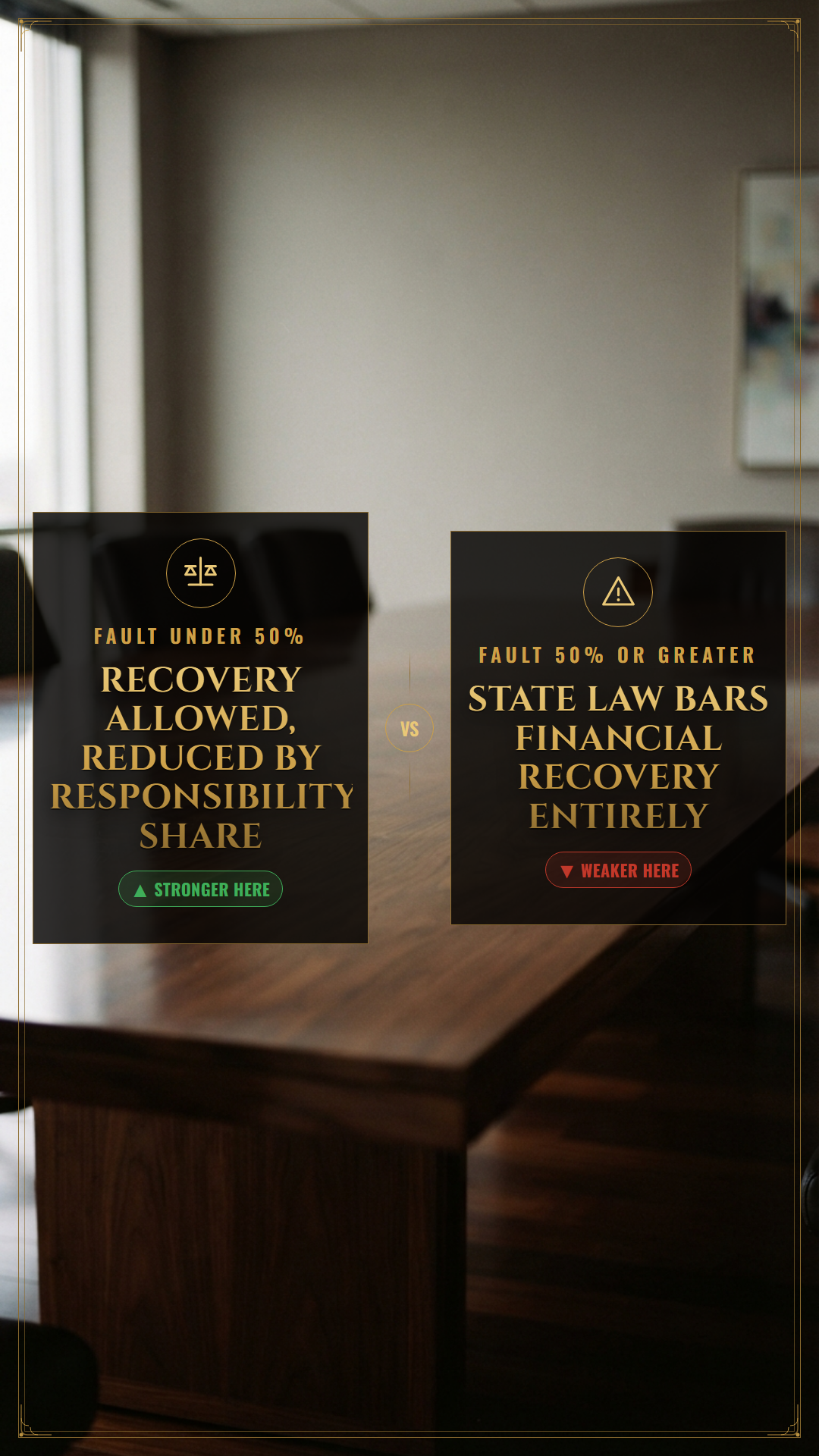
Utah applies a modified comparative negligence rule under Utah Code 78B-5-818. Under this standard, you can still pursue compensation even if you share some blame for the crash, provided your share of fault is not 50% or higher. If an injured person bears 50% or more of the fault, state law bars any financial recovery entirely.
When your share of fault stays below that 50% threshold, your recovery is reduced in proportion to your responsibility. An insurer will closely examine physical evidence, witness statements, and roadway markers to argue about who caused what. Reviewing general legal standards for car accidents helps clarify why objective documentation matters so early in the process.
What Deadlines and Steps Matter After a Utah Traffic Crash?
Utah Code 78B-2-307 sets a general four-year statute of limitations from the date of the incident for personal injury claims. An injured person should never assume they have four full years without verifying their facts, because certain situations—such as claims involving government entities—involve separate, shorter legal deadlines. Our article on the I-15 crash in Utah County covers additional roadway context for drivers traveling this corridor.
Taking concrete steps immediately after an accident helps protect your physical recovery and any future legal claim. You should obtain a medical examination even if symptoms feel minor, since conditions like whiplash or concussions often take time to become apparent. Keep detailed records of your medical care and missed work days, secure the official police report, and decline to provide a recorded statement to any insurance company before consulting an attorney.
At The Action Firm, we openly explain when an injured driver does not need legal representation. For simple property damage issues with clear liability and no medical injuries, resolving the claim on your own often makes the most financial sense. If you encounter disputed fault, emerging injuries, or unclear statutory deadlines, you can reach out to The Action Firm to review the specific facts of your case.