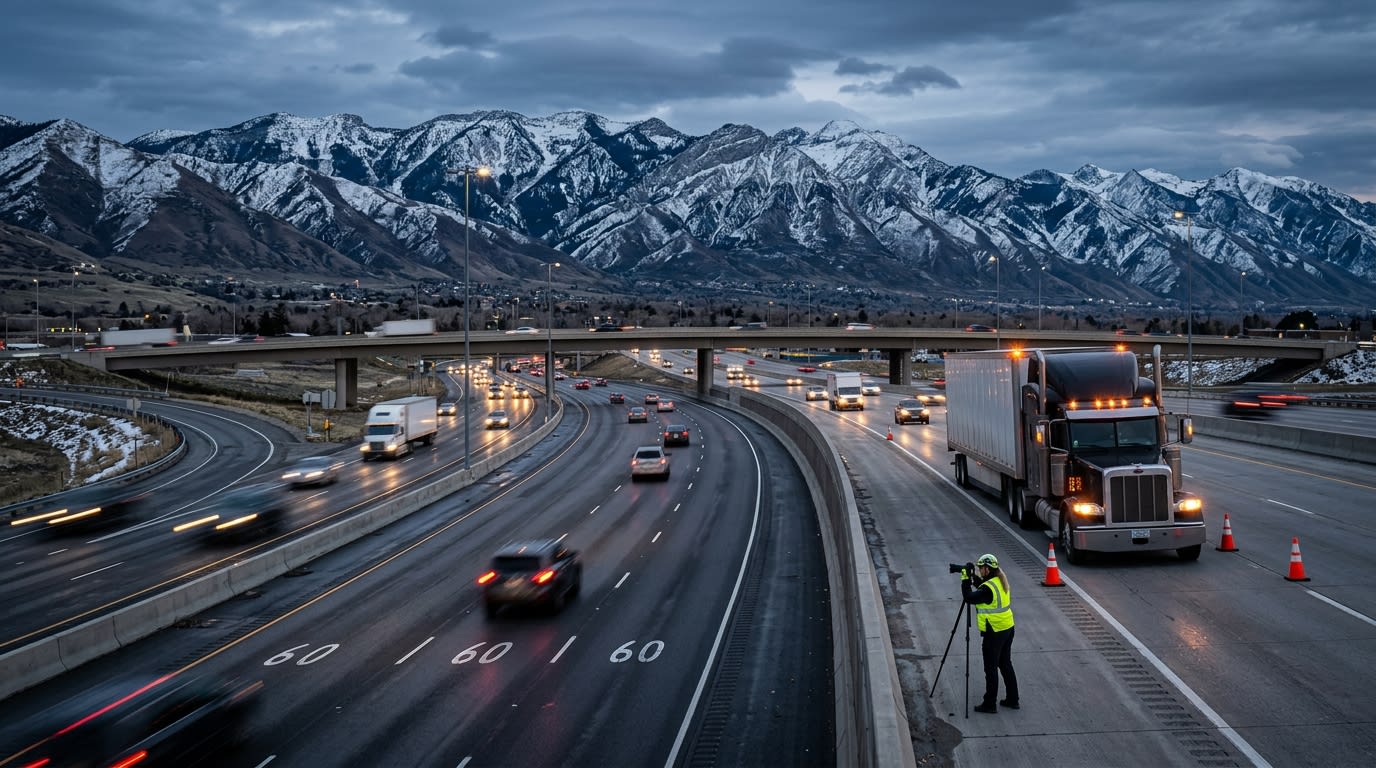

Riding through the majestic canyons of the Wasatch Front or commuting along I-15 offers an unparalleled sense of freedom, but it also comes with significant risks. When the unthinkable happens, the physical, emotional, and financial toll can be devastating. Finding the right salt lake city motorcycle accident lawyers is not just about filing paperwork; it is about securing a dedicated advocate who understands the unique biases riders face and the complex intricacies of Utah's modified comparative fault system. At The Action Firm, we bridge the gap between high-authority legal technicality and empathetic, rider-centric advice to ensure you receive the maximum compensation possible.
TL;DR
The Action Firm provides specialized personal injury representation for motorcycle accident victims in Salt Lake City, Utah, operating on a contingency fee basis. Under Utah law, standard PIP insurance often excludes motorcyclists, making Med-Pay coverage crucial. The Utah statute of limitations for personal injury claims is four years (U.C.A. 78B-2-307), and victims must meet specific tort thresholds to pursue non-economic damages.
Key Facts
- Utah is a no-fault auto insurance state, but motorcycle riders are frequently excluded from standard Personal Injury Protection (PIP) benefits.
- To step outside the no-fault system and sue for pain and suffering, your medical expenses must exceed $3,000 or you must suffer permanent impairment.
- Utah follows a modified comparative fault rule (the 50% rule), meaning you cannot recover damages if you are found to be 50% or more at fault.
- The statute of limitations for personal injury is generally four years, but only two years for wrongful death claims.
- Proper scene documentation is critical to overcoming inherent insurance adjuster bias against motorcyclists.
On This Page
- Utah Motorcycle Insurance Statutes (U.C.A. § 31A-22-302)
- The Tort Threshold: Stepping Outside No-Fault
- Statute of Limitations for Injury and Wrongful Death
- Utah's Modified Comparative Fault System
- Post-Accident Evidence Collection and Scene Documentation
- Economic and Non-Economic Damages
- Contingency Fees and Insurance Negotiation
Utah Motorcycle Insurance Statutes (U.C.A. § 31A-22-302)
Understanding your insurance coverage is the first critical step after a crash. Under U.C.A. § 31A-22-302, Utah requires all motor vehicle owners to carry minimum liability insurance. However, there is a massive caveat that catches many riders off guard: standard Personal Injury Protection (PIP) coverage, which is mandatory for passenger vehicles, does not automatically apply to motorcycles. This means that if you are injured, you cannot simply rely on your auto insurer to pay your immediate medical bills unless you specifically purchased Medical Payments (Med-Pay) coverage for your bike.
Without Med-Pay, riders are left vulnerable to mounting emergency room costs, ambulance fees, and rehabilitation expenses. Insurance companies leverage this vulnerability, offering lowball early settlements before the full extent of the injuries is known. Having a skilled Utah motorcycle accident lawyer on your side is essential to force insurers to honor their obligations and identify all possible avenues for recovery, including the at-fault driver's bodily injury liability coverage.
The Tort Threshold: Stepping Outside No-Fault
Because Utah operates under a no-fault system for general auto accidents, injured parties must meet a specific "tort threshold" to pursue a third-party liability claim against the at-fault driver for non-economic damages, such as pain and suffering. To cross this threshold, a victim must incur at least $3,000 in medical expenses or suffer permanent disability, permanent impairment, permanent disfigurement, or dismemberment.
For motorcyclists, meeting this threshold is unfortunately common due to the exposed nature of riding. Road rash, fractures, and severe soft tissue damage quickly exceed $3,000 in emergency medical care. Once this threshold is crossed, our legal team aggressively pursues the at-fault party's insurance for maximum compensation, ensuring that your physical pain, emotional distress, and loss of enjoyment of life are fully quantified and compensated.

Statute of Limitations for Injury and Wrongful Death
Time is a critical factor in any legal claim. The Utah statute of limitations dictates how long you have to file a lawsuit after an accident. According to U.C.A. § 78B-2-307, victims generally have four years from the date of the accident to file a personal injury lawsuit against a private citizen. However, if the accident was caused by a government entity—such as a poorly maintained city road or a negligent municipal driver—the timeframe is drastically reduced to just one year under the Utah Governmental Immunity Act.
Furthermore, if a crash results in a fatality, the surviving family members have only two years to file a claim for wrongful death in Utah. Missing these strict deadlines means permanently forfeiting your right to seek justice and financial relief. This is why engaging legal counsel immediately after an accident is paramount to preserving crucial evidence and meeting all procedural deadlines.
Utah's Modified Comparative Fault System
One of the most significant hurdles in a motorcycle accident case is overcoming the inherent bias of insurance adjusters and potential jurors who unfairly view riders as reckless. Utah adheres to a modified comparative negligence system, often referred to as the 50% rule. Under this statute, you can recover damages only if your share of fault is less than 50%. If you are found to be 50% or more responsible for the crash, you recover nothing. If you are less than 50% at fault, your compensation is reduced by your percentage of blame.
Defense attorneys will aggressively attempt to shift blame onto the rider, citing factors like lane splitting (which is illegal in Utah, though lane filtering under specific conditions is permitted), speeding, or failure to take evasive action. Our firm meticulously reconstructs the accident scene, utilizes expert testimony, and gathers undeniable proof to dismantle these defense tactics and protect your right to full compensation.
Post-Accident Evidence Collection and Scene Documentation
The foundation of a successful claim is built at the scene of the crash. An evidentiary roadmap is vital for establishing third-party liability. If you are physically able, or if you have a passenger or bystander who can assist, you must document the scene comprehensively. Take clear photographs of the resting positions of all vehicles, skid marks, road conditions, traffic signals, and your visible injuries. Collect the names, phone numbers, and addresses of all eyewitnesses before they leave the scene, as their independent accounts are invaluable for proving the other driver's negligence.
Always wait for law enforcement to arrive and ensure an official police report is filed. Do not admit fault or apologize to the other driver. Seek immediate medical attention, even if you feel fine, as adrenaline can mask severe injuries. Proper documentation of your medical journey from day one is critical for proving the causation and severity of your injuries later on.

Economic and Non-Economic Damages
A catastrophic motorcycle crash alters every aspect of your life. The financial compensation you seek must reflect the totality of this impact. Economic damages are quantifiable losses, including past and future medical bills, rehabilitation costs, and fair market value for your motorcycle's property damage. Crucially, we also pursue gross weekly wage loss benefits and compensation for household service replacement if your injuries prevent you from performing daily domestic duties.
Non-economic damages compensate for intangible losses. Motorcycle accidents frequently result in severe, life-altering conditions, including spinal cord damage and traumatic brain injuries. The pain, suffering, emotional trauma, and loss of consortium associated with these injuries require sophisticated legal advocacy to quantify accurately. We work with medical and economic experts to project your lifetime needs and demand a settlement that provides true financial security.
Contingency Fees and Insurance Negotiation
Many victims hesitate to seek legal representation out of fear of out-of-pocket costs. At The Action Firm, we operate on a strict contingency fee basis. This means you pay absolutely no upfront fees, and we only get paid if we successfully recover compensation for you. This aligns our interests directly with yours and provides access to elite legal representation regardless of your current financial situation.
Insurance companies employ teams of adjusters and lawyers whose sole job is to minimize your payout. When it comes to hiring a Salt Lake City motorcycle accident attorney, you need a firm with a proven track record of standing up to these corporate giants. We handle all communication, negotiation, and litigation, allowing you to focus entirely on your physical recovery while we focus on winning your motorcycle accident claim.
Conclusion
Navigating the aftermath of a motorcycle crash in Salt Lake City requires more than just a basic understanding of traffic laws; it demands a strategic, aggressive approach to Utah's specific insurance statutes and comparative fault rules. By securing comprehensive evidence, understanding the tort threshold, and partnering with dedicated legal advocates, you can protect your rights and secure the compensation you deserve. Contact The Action Firm today for a free, no-obligation consultation to discuss your case and begin your journey to justice.
Disclaimer: The information in this article is for informational purposes only and does not constitute legal advice. Please consult with a qualified attorney for advice on your specific situation.