What Happened in the September 27, 2026 Roy Crash on SR 126?
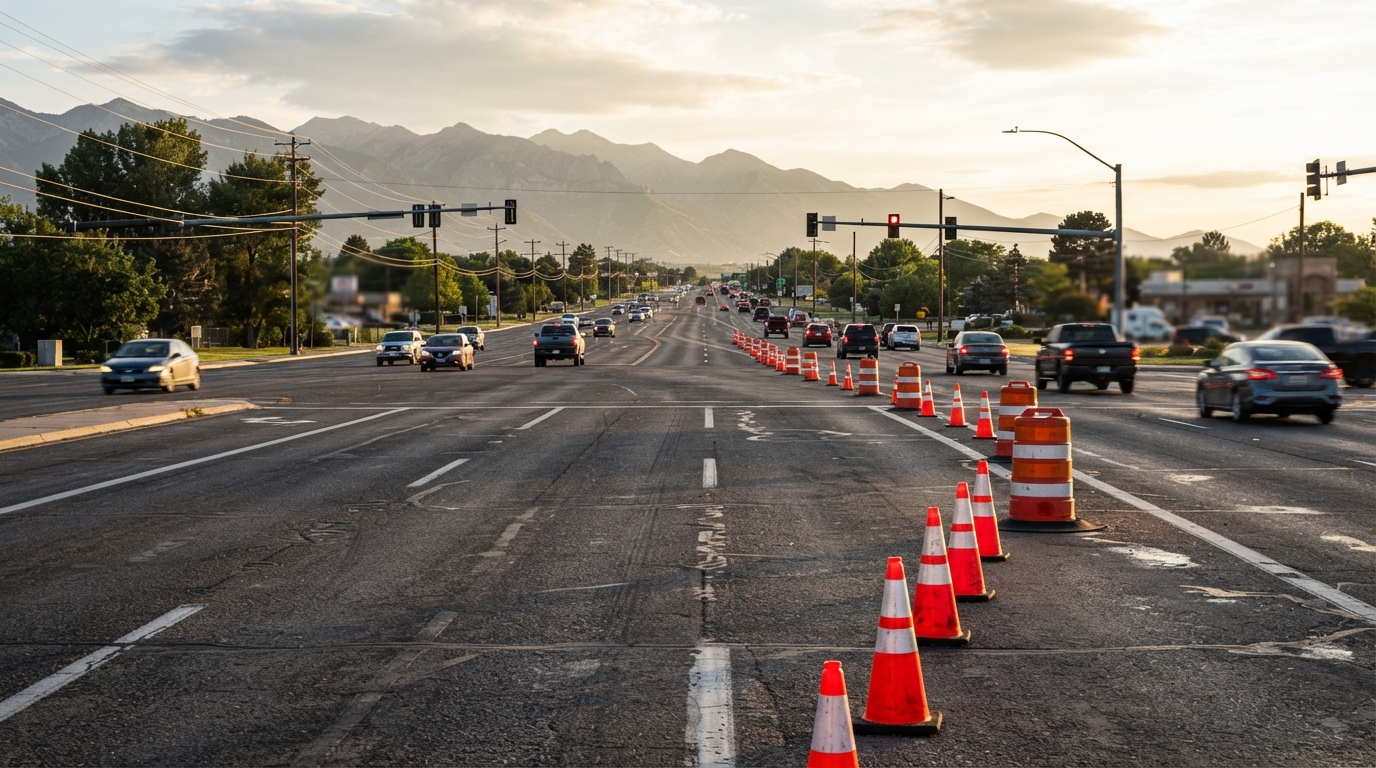
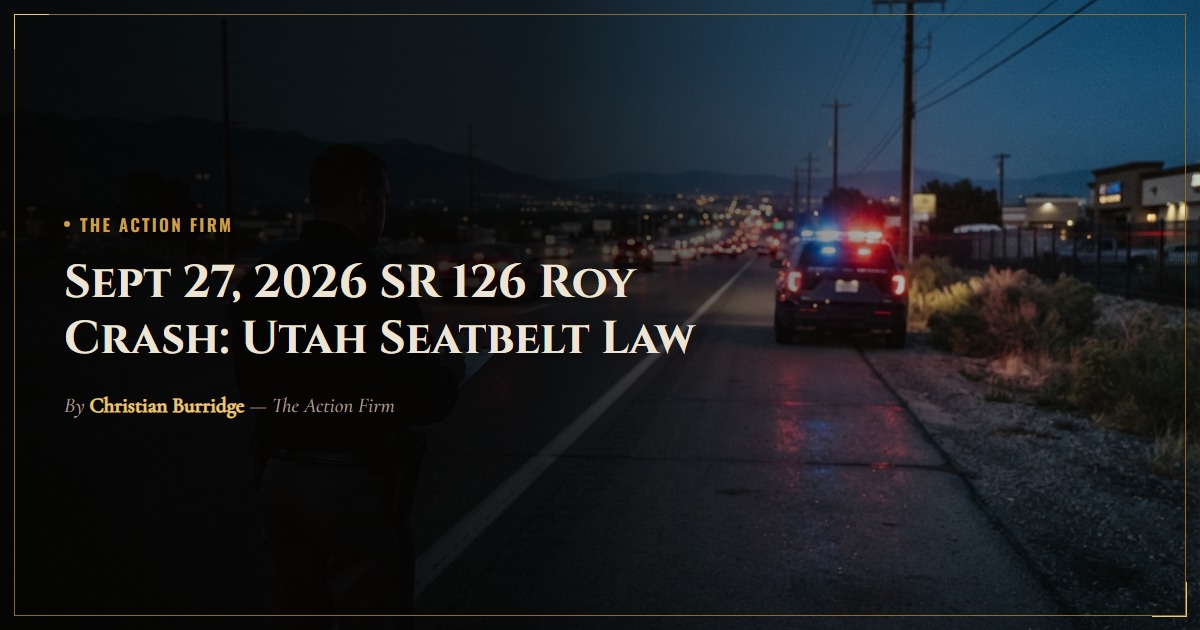
On Sunday, September 27, 2026, at 10:25 AM, the Utah Department of Transportation reported a minor collision on SR 126 in Weber County. The crash occurred along northbound 1900 West at the intersection of 5300 South in Roy, blocking the right lane of two travel lanes.
Preliminary UDOT reports classified the incident's severity as minor with no full roadway closure, while noting that the travel direction of the involved vehicles remained unknown. These initial traffic feeds only reflect preliminary dispatch notices, and the full factual picture develops as responding agencies document the scene.
When a crash happens along a busy surface street like 1900 West, drivers often deal with sudden repair estimates and confusing insurer questions. If you are dealing with the aftermath of a collision, reviewing your situation through a car accidents claim evaluation helps separate governing traffic statutes from informal insurance posturing.
Can an Insurer Reduce Your Injury Claim for Not Wearing a Seatbelt?
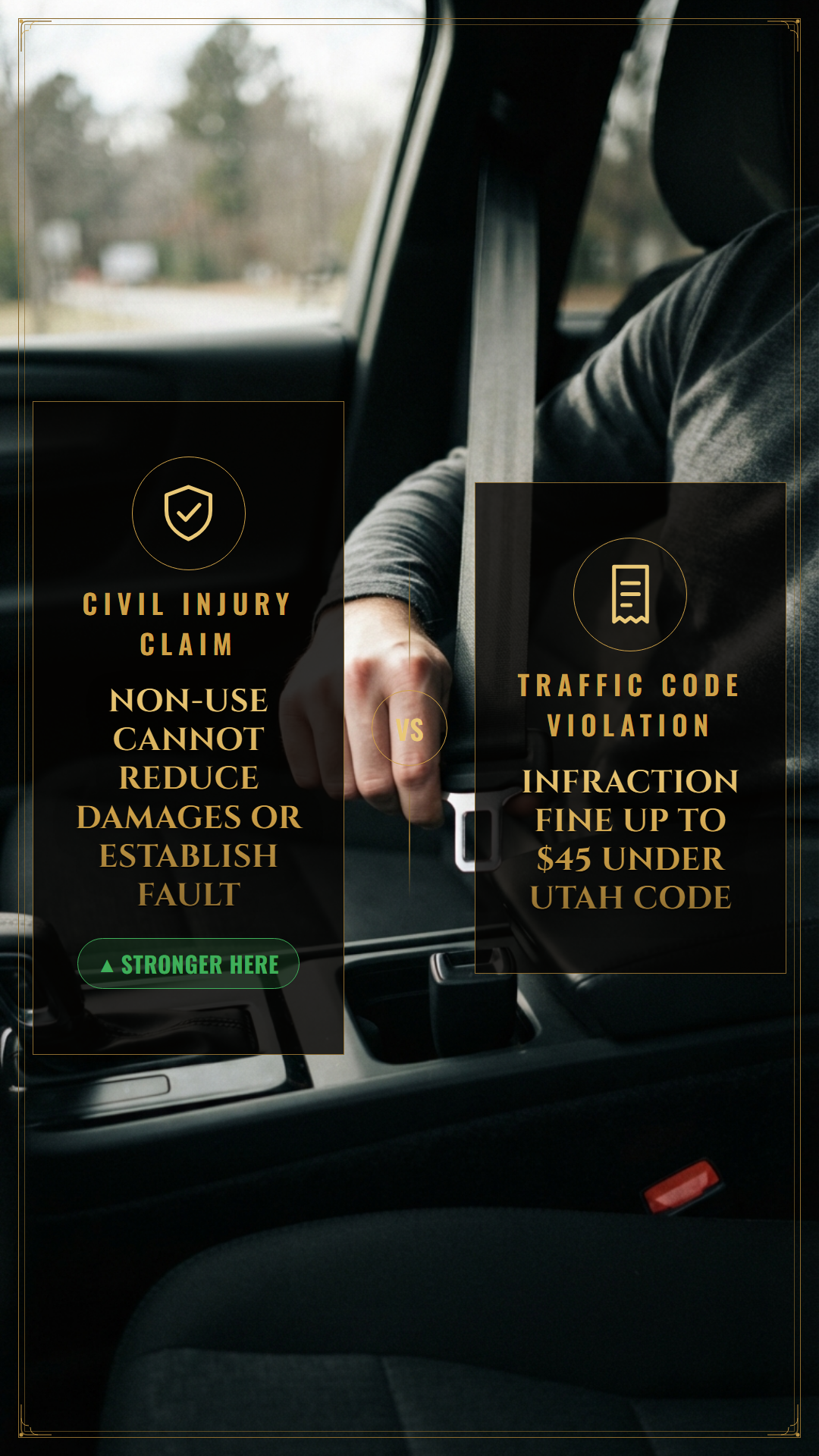
No, an auto insurance adjuster cannot legally reduce your compensation or claim you were partially at fault for an injury simply because you were unbelted. Utah Code 41-6a-1806 specifically establishes that failing to wear a safety belt does not constitute contributory or comparative negligence.
Furthermore, that same statute bars any party from introducing safety belt non-use as evidence in civil litigation on the issues of negligence, injuries, or reducing damages. While Utah Code 41-6a-1803 requires drivers and passengers age 16 or older to wear a fastened belt—and requires drivers to secure children under 16, subject to an infraction fine of up to $45 under Utah Code 41-6a-1805—that traffic penalty cannot be imported into your civil claim.
This statutory safeguard is distinct from Utah's modified comparative-negligence framework set out in Utah Code 78B-5-818. While general driving behavior and crash causation still determine relative fault between drivers, the seatbelt statute ensures that non-use is never used to wipe out or diminish an injured claimant's recovery.
Why Adjusters Mention Seatbelts and How Legal Counsel Responds
Insurance adjusters frequently mention safety belt usage during early telephone calls and settlement negotiations. They often raise the topic casually, testing whether an unrepresented claimant knows the law protects them from having their compensation docked for it.
I've found that when claimants handle these discussions on their own, adjusters can sound authoritative even when their legal position is prohibited by Utah law. Having an attorney who knows Utah Code 41-6a-1806 shuts down that line of questioning immediately, keeping the negotiation focused strictly on valid liability factors.
Knowing which arguments an insurance carrier is legally barred from making is specialized knowledge most people have never had to acquire. At The Action Firm, we believe in explaining the law clearly so you are never misled by carrier tactics. If you have questions about your specific claim, you can reach out directly to Contact The Action Firm to discuss your options.