What Happened on NB I-15 at SR-145 in American Fork?
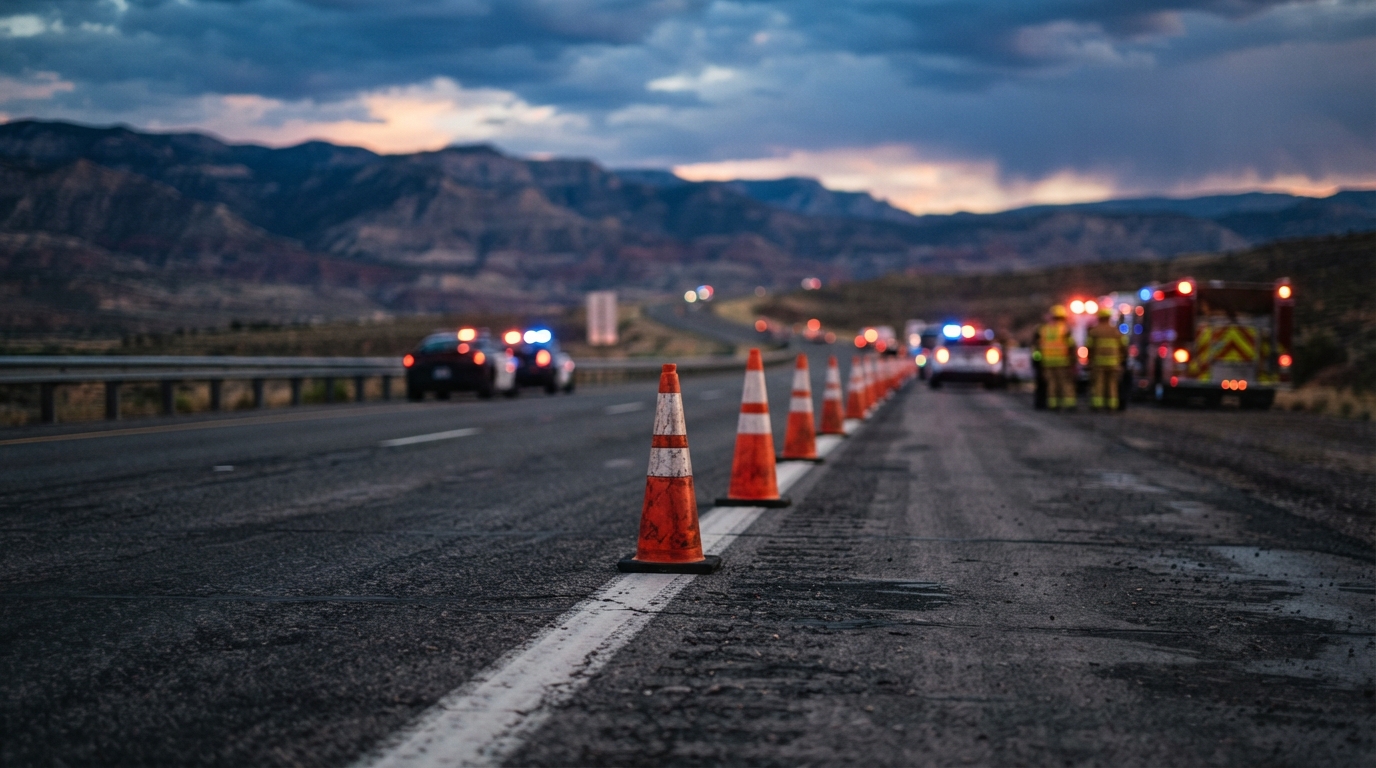
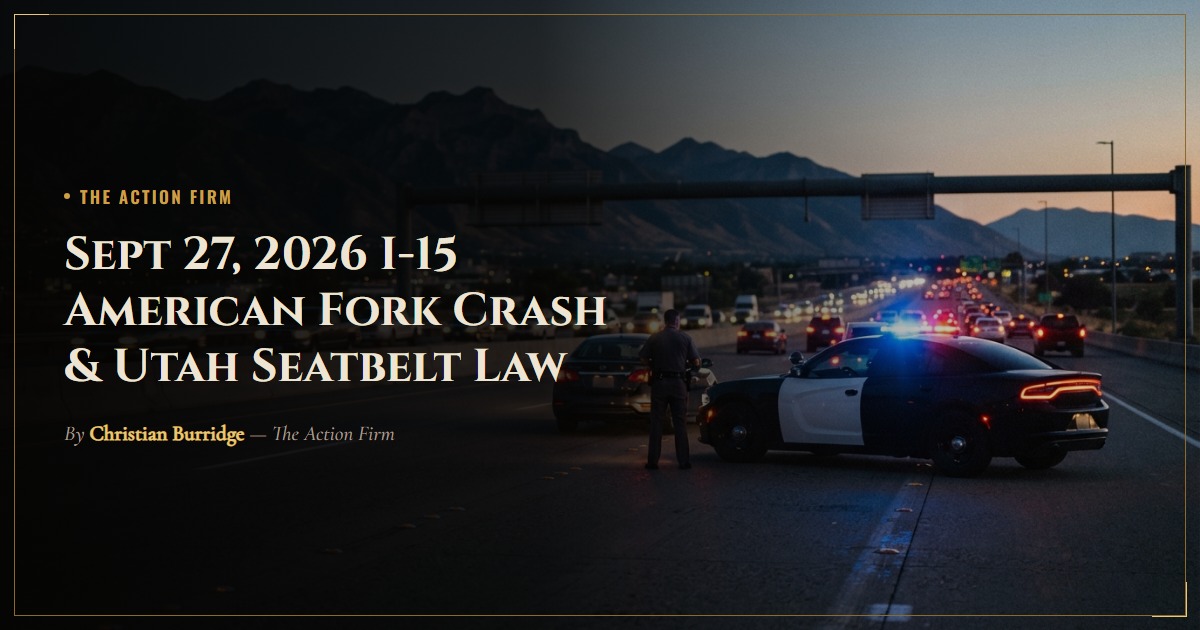
On Sunday, September 27, 2026, the Utah Department of Transportation logged a vehicle fire on NB I-15 at SR-145 (Main St, American Fork). UDOT classified the incident's severity as minor, noting that the exit ramp right lane and right shoulder were blocked without requiring a full highway closure.
Preliminary traffic records do not assign fault or explain how the vehicle caught fire. When a crash occurs on this corridor, our team at The Action Firm looks strictly at confirmed facts rather than premature assumptions. If you were caught in a collision in this area, you can review our broader guide on an I-15 Crash in Utah County to understand how early roadway findings fit into legal claims.
Can an Insurer Use Seatbelt Non-Use to Reduce Your Settlement?
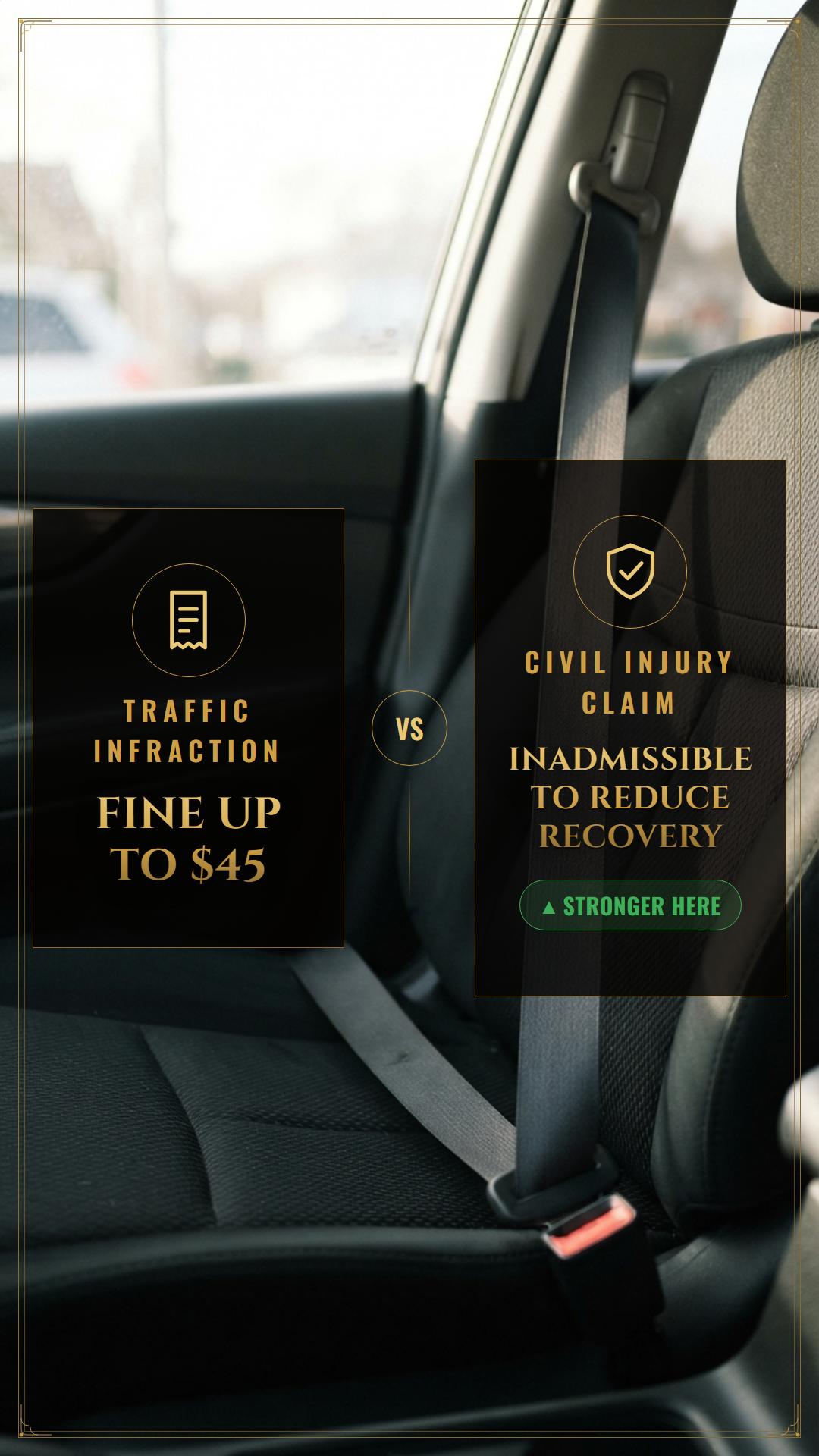
Under Utah Code 41-6a-1806, an insurance adjuster cannot reduce your damages or allege comparative negligence simply because you failed to wear a seatbelt. The statute makes non-use inadmissible in civil court to prove negligence, demonstrate injury causation, or lower financial recovery. An insurance carrier is legally barred from using a lack of restraint to devalue an injured person's physical recovery.
Utah does have a mandatory seatbelt law under Utah Code 41-6a-1803. Drivers and passengers age 16 or older must wear a properly fastened safety belt, and drivers must secure passengers younger than 16. Violating this rule is an infraction carrying a fine of up to $45 under Utah Code 41-6a-1805. However, that traffic infraction remains entirely separate from civil compensation rights.
This specific protection does not eliminate Utah's general modified comparative-negligence framework under Utah Code 78B-5-818. Driver actions such as speeding or tailgating still dictate how liability is divided between motorists. Knowing the difference between driving negligence and seatbelt admissibility keeps adjusters from pushing improper reductions.
Why Adjusters Still Raise Seatbelt Arguments During Negotiations
Insurance adjusters frequently raise seatbelt non-use during informal discussions, hoping an unrepresented person simply does not know the law. It sounds convincing on the phone when an adjuster claims your injuries would have been lighter with a belt on. In reality, Utah Code 41-6a-1806 directly prohibits using that argument to reduce civil recovery.
Having skilled representation for car accidents matters because an attorney knows which negotiation tactics are legally prohibited. When an insurer attempts to introduce safety belt non-use into settlement talks, an advocate shuts that argument down instantly. Knowing the boundary between admissible evidence and statutory exclusions protects the rightful value of your medical recovery.